SEO-Driven Content Marketing: Rank Higher with Semantic Search & Search Intent (2026 Guide)

By Gaurav Garg / August 06, 2025
Social media automation has transformed the way businesses manage their online presence. With multiple platforms, frequent posting requirements, and constant performance tracking, automation tools offer a practical way to save time and stay consistent. However, automation is not a one-size-fits-all solution.
Automating the wrong activities can harm engagement, reduce trust, and make your brand feel impersonal. The real success of social media automation lies in knowing what to automate and what to keep human-driven.
This guide explains how businesses can use social media automation smartly—without sacrificing authenticity or audience connection.
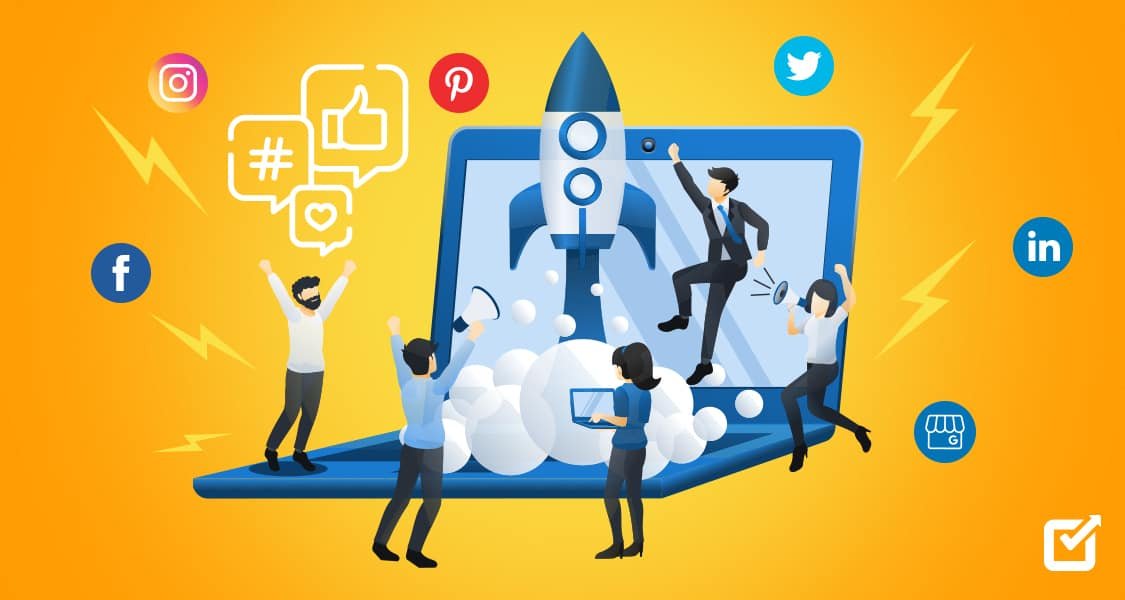
Social media automation involves using tools and software to handle repetitive and time-consuming tasks such as post scheduling, reporting, and basic responses. These tools help brands maintain consistency while freeing up time for strategic planning and creative work.
When aligned with a well-defined social media marketing strategy, automation can support long-term growth rather than replace human interaction.
One of the most effective uses of automation is scheduling posts in advance. This ensures your brand stays active even during weekends, holidays, or outside business hours.
Benefits include:
This approach works particularly well when combined with a structured content marketing strategy.
Automation tools allow you to plan and organize content across platforms in advance. A clear content calendar ensures balanced posting between promotional, educational, and engagement-focused content.
Planning ahead also aligns social media content with ongoing campaigns, product launches, or seasonal promotions.
Manually tracking performance metrics across platforms is inefficient. Automation tools can generate detailed reports that show:
These insights support better decision-making and align closely with data-driven digital marketing services.
Automation tools help identify trending and relevant hashtags based on industry, audience, and performance history.
This improves:
When paired with SEO-focused content, this strengthens overall brand visibility.
Automated replies can be useful for handling common queries such as:
However, these should only act as a starting point before handing conversations over to a real person.
Social media is built on relationships. Automated replies cannot replace genuine human communication.
Avoid automating:
Authenticity is a key factor in building trust and long-term engagement.
Automated likes, comments, or generic replies often appear spammy and reduce credibility.
Manual engagement allows brands to:
This is especially important for businesses offering social media management services, where brand voice matters.
Negative feedback and complaints should never be handled through automation.
These situations require:
Automated responses during sensitive situations can escalate issues instead of resolving them.
Social media trends change quickly. Automated posting may miss context, tone, or timing.
Manual posting is essential for:
Real-time relevance is something automation cannot fully replicate.
Influencer marketing relies heavily on personalization. Automated outreach messages often feel generic and unprofessional.
Personal communication builds stronger partnerships and improves response rates.
Successful social media automation is about supporting human effort, not replacing it.
A practical approach:
This balance allows businesses to scale their social presence while maintaining trust and authenticity—an approach strongly aligned with Entrustech’s focus on value-driven digital solutions.
When used correctly, social media automation:
When misused, it can damage brand reputation and reduce engagement. That’s why professional planning and execution are essential for long-term success.
Yes, but the level of automation should depend on business size, audience, and goals. Small businesses benefit most when automation is combined with manual engagement.
Yes, if overused. Automated replies that feel robotic or irrelevant can reduce trust and engagement.
Customer support, complaint resolution, personalized messaging, influencer outreach, and community engagement should always be human-driven.
They can help with initial responses, but meaningful lead nurturing should always involve real human interaction.
Automation strategies should be reviewed every 2–3 months to adapt to platform updates, audience behavior, and campaign performance.
Automating everything without considering user experience, authenticity, or brand voice.
WhatsApp us